Growing Things

The last six weeks or so have seen massive transformations on the proto-farm. Here’s a little snapshot of what’s been keeping us busy.

The heat crops are out

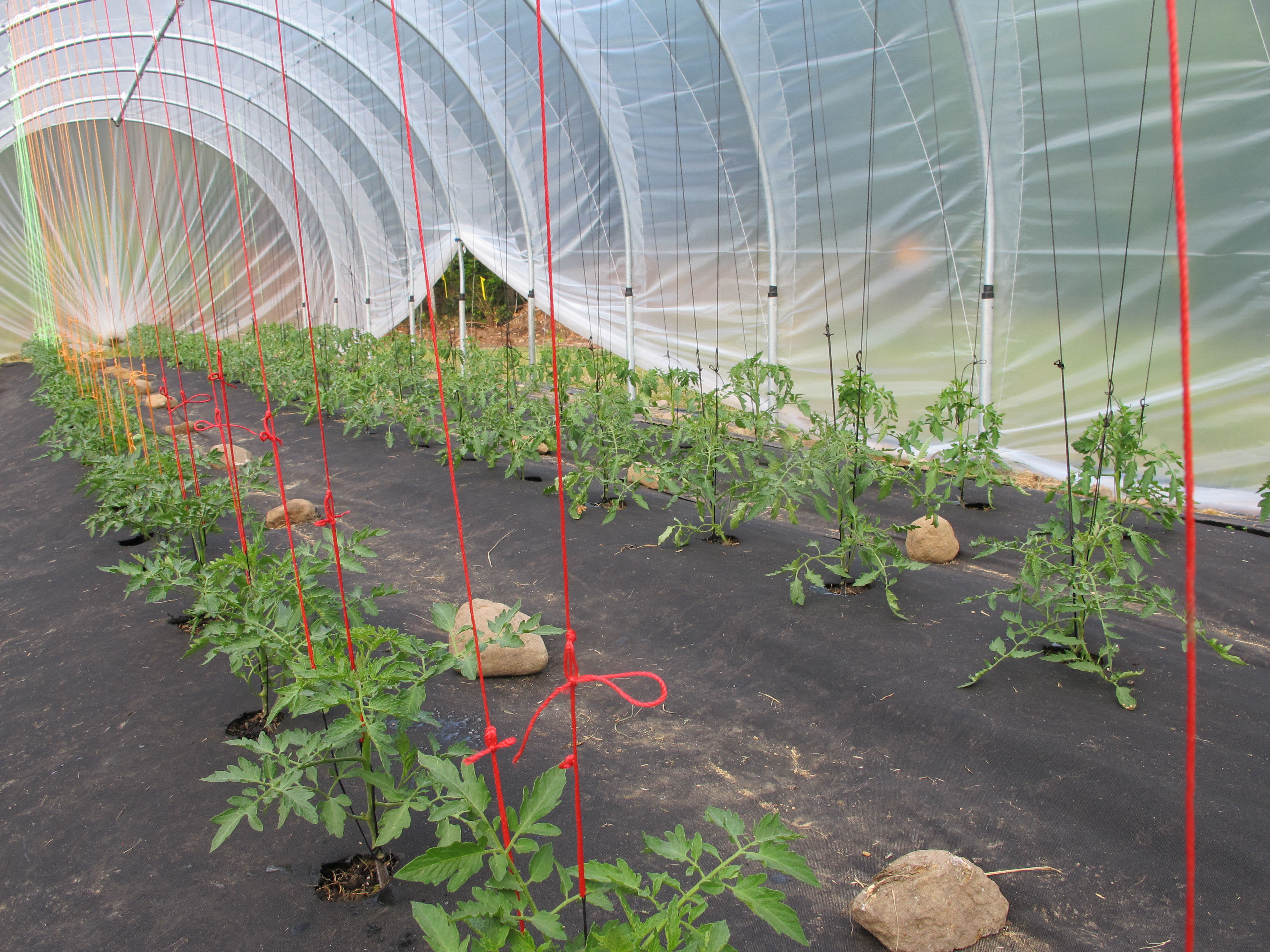
Once our lovely little BCS walk behind tractor arrived, we got out and tilled the greenhouses. We now have a pile of tomatoes and cucumbers planted out, and some basil, hot peppers, sweet peppers and eggplants potted up. We’re trying three apparently delicious and high-yielding heirloom tomato varieties this year, two cherry tomato varieties, 7 salad tomatoes, two eggplants, four sweet peppers (red, yellow, orange and purple!), 11 hot peppers and four cucumbers. We’ll keep you posted on our favourites!
IMG_8692   IMG_8710

L: 99 tomato plants in the tomato greenhouse. R: A Croome parent waters the starts and potted up peppers, eggplants and basil. The cucumbers are in behind him.

Digger watching

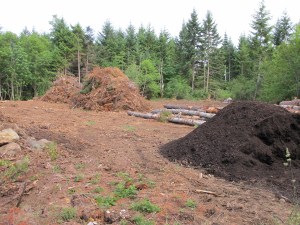
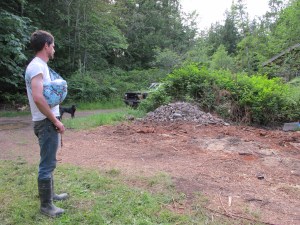
We spent just over two days being distracted by the wonderfully talented John Isbister working his magic with his machine in our 2016 veggie field. Apparently, diggers can still be mesmerizing when you are older than 8…. John pulled and piled stumps, moved large rocks, and levels our field space. It is amazing to be able to better visualize our growing space – we are going to have lots of room for tasty veggies next year! Photos and video of John at work can be seen on our Instagram feed (link on the right). We’ll have John in again later this year to root rake and help us dig out a couple of irrigation ponds and drainage channels.
IMG_8699

John’s handiwork, aka massive fall bonfire!

Planting

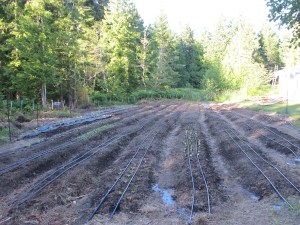
John also gave us a hand giving a preliminary coarse rake to our 2015 garden location. Then, our amazing parents who have been visiting for the past month gave us a massive hand picking rocks and roots to get ready for our neighbour Louis to come in with his tractor to give the space a deep plough. This was followed by more rock picking before we got on it with the BCS for a shallower plough and bed shaping, followed by compost spreading and tilling. After putting up some temporary deer fence, we were ready to plant out. We’ll be picking rocks and roots for many more years, but the initial push is done, and we’re pretty happy with the space. Our transplants had gotten rather sad, after spending as much as 4 extra weeks in the greenhouse. But, most are rallying now that they are out in the garden, and the new growth looks wonderful. We’ve got winter and summer squash, onions, scallions, broccoli, cauliflower, romanesco, brussels, summer and storage cabbages, swiss chard, kale, lettuce, celery, hakurei turnips, beets, beans and carrots planted out and seeded. Looking forward to garden treats soon!! Most of the watering is now being done by a drip irrigation system fed from our pond using a gas pump. Thanks to the folks at Iritex for helping us to set it up – it’s working pretty well so far! Now, we’re enjoying a bit of a lull while we wait for harvest to begin and the onset of the inevitable weeds….
IMG_8725IMG_8712

L: The 2015 garden, dripline out and newly planted. R: A section of our irrigation setup.

First pork sales and new pigs

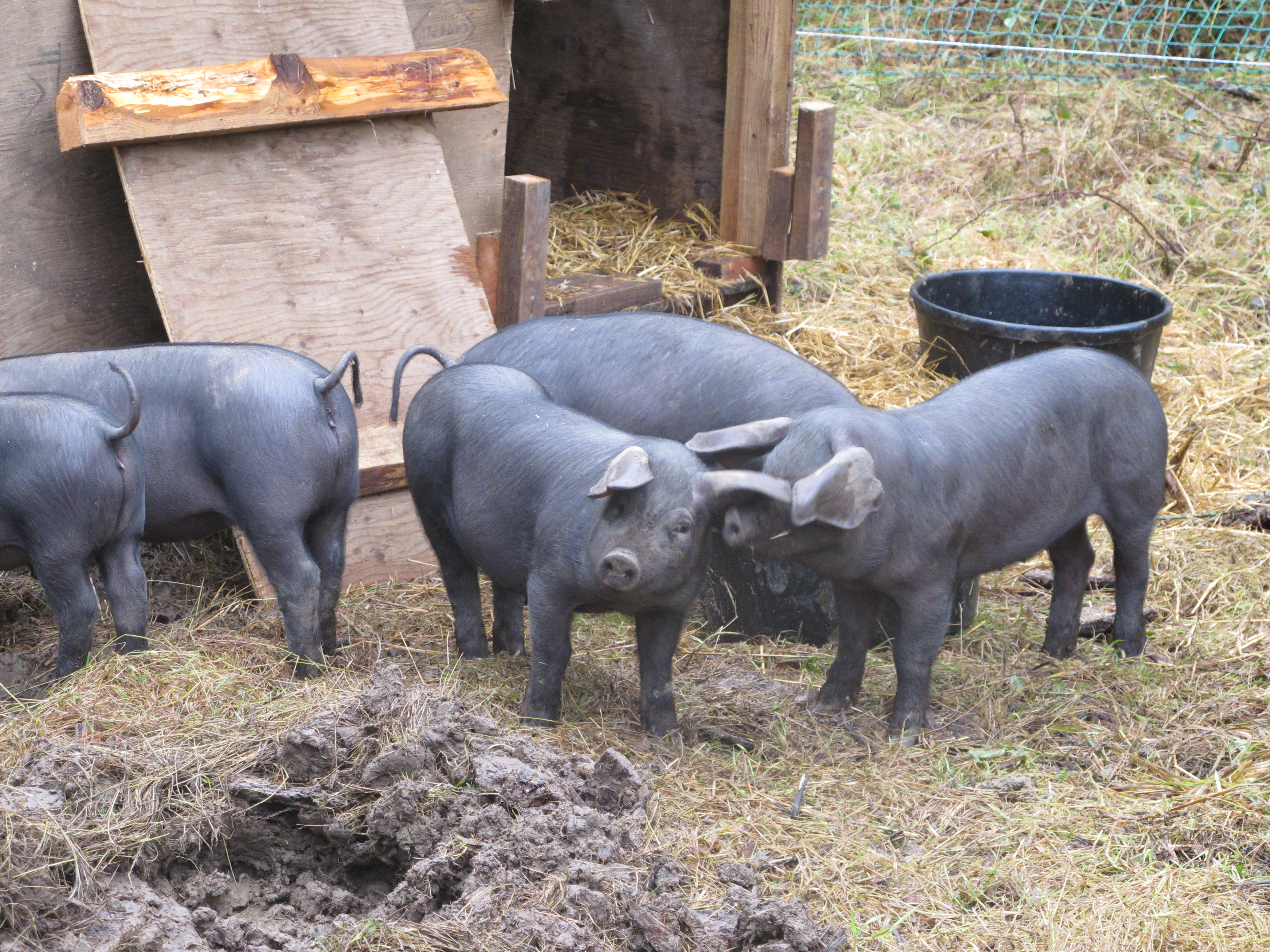
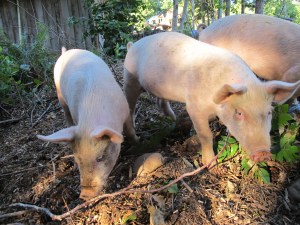
Our first pork came back from Gunters in mid-May, and we are happy! The pork and butchering are both excellent. We sold 3.5 pigs as sides to help us cover some of the set-up costs, and kept 1.5 pigs as pork for us and to sell as cuts at the Denman Farmers’ Market on Saturdays and at our farm gate. We’ve already sold out of bacon, sausages and picnic (a shoulder cut that is smoked like a ham). We have a few roasts, chops, hams, ribs and steaks left. Very excited by the amount of interest! We’ve got three Denman Island piglets to raise for the summer. These guys are gallopers. They love tearing around their run and digging deep holes. They are currently on the 2016 field site helping us to root up the rocks and nibbling off the bramble shoots. They are destined to become sausages and bacon at the end of August. More Large Black piglets are being lined up for the fall.
IMG_8721IMG_8651

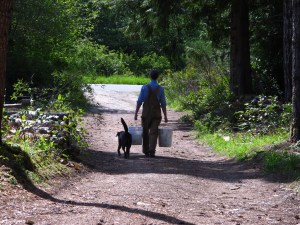
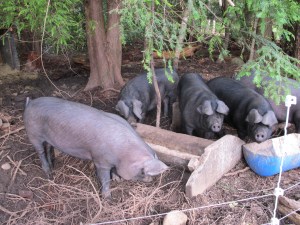
L: Our three Denman pigs. R: Sam and Hunter off to feed the pigs.

Sad farewells and excited hellos

In early May we lost our newest family member, Merlin, to an unfortunate accident, when a driver who wasn’t paying attention went off the road and hit him on the grass at the front of our property. We were incredibly sad to say goodbye. He was a beautiful little personality who made us smile multiple times daily, and was really a perfect fit for the farm and our family. After he died, Hunter spent many evenings on the front step, watching for his friend to come home, and we still find ourselves listening for his morning chatter.
IMG_8485

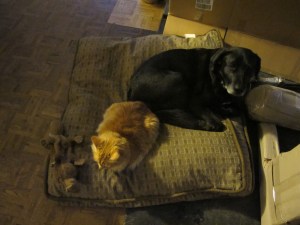
Hunter and Merlin share Hunter’s bed – Merlin was always trying to snuggle with Hunter, much to Hunter’s dismay after 7pm, after which it is “bedtime”, when Hunter prefers his space to sleep.

A few short weeks later, we welcomed a new member to Two Roads. Our son Wilf was born on May 27. We are enjoying getting to know this new soul. While his feeding habits have Emily at reduced capacity on the farm front, he is learning to sleep long enough to let us get little things done here and there, a fantastic early contribution. And, we’ve had all of our parents here for many weeks lending a hand and helping us to stay on top of things, and have Denmanites turning up with food and support at every turn. We’re feeling very blessed and excited heading into the height of the growing season.
IMG_8698IMG_8730IMG_8713IMG_8672

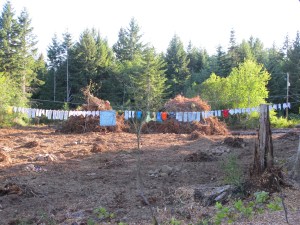
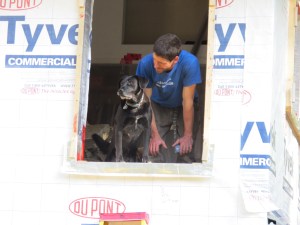
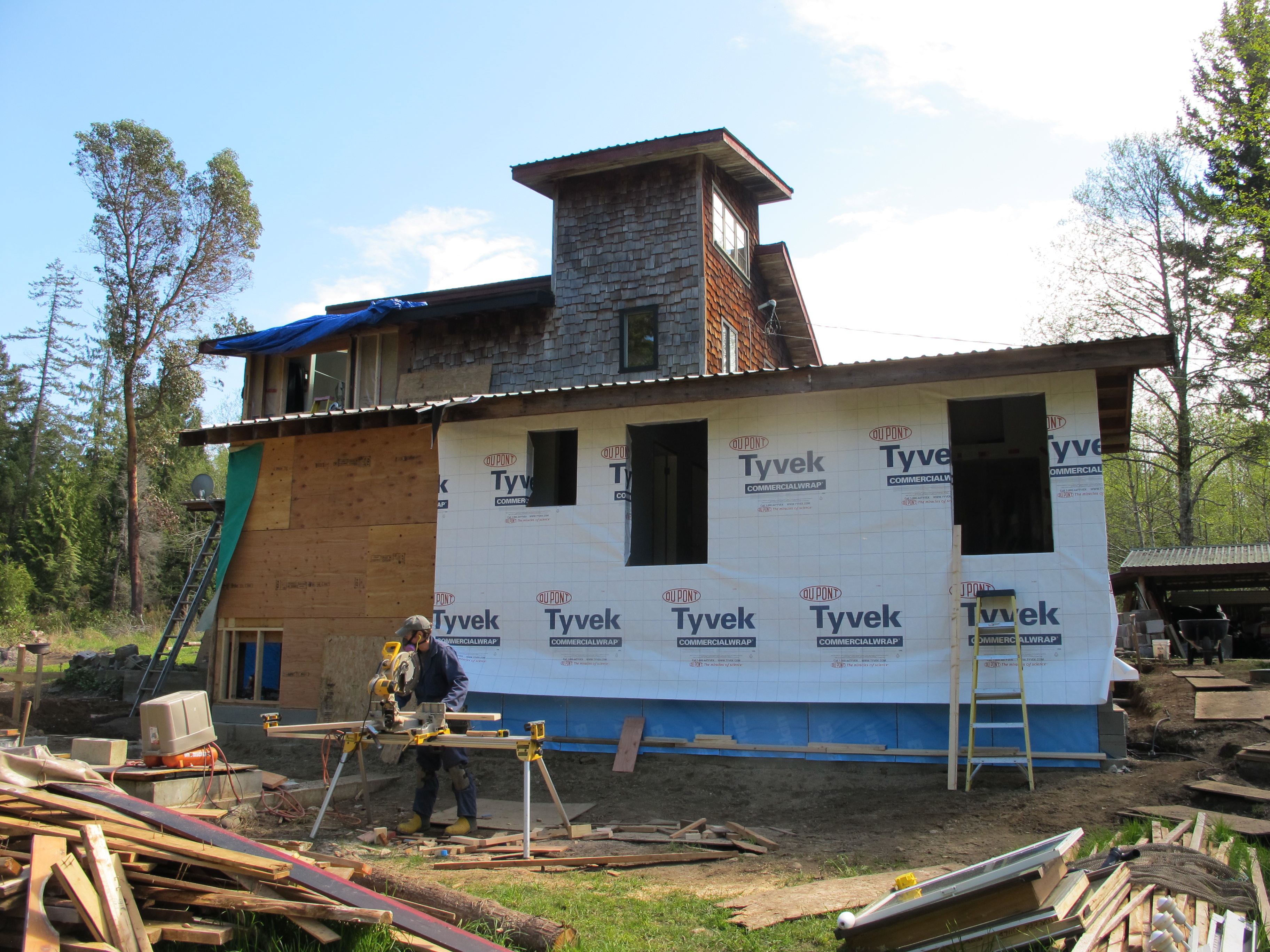
TL: Sam and Wilf survey some of John’s handiwork near the shop. TR: Wee Wilf. BL: Baby laundry drying over the 2016 field. BR: Sam and Hunter survey the 2015 garden from a freshly wrapped section of the house. Hunter is a fan of the dog height windows!

Juggling All of the Balls

Spring has found us here at Two Roads, making for two very happy and busy proto-farmers. Happy, because the sun has been shining on us heaps and we’ve been able to break out the sandals a few times, and busy because everything should have been done yesterday. We’ve got a lot of balls up in the air at the moment, so not entirely surprising that we’ve been hit by one or two. But, for the most part, we’re getting things done, and getting pretty excited to sell our first farm product (free-range, organic practices pork) in a few weeks time and get our veggies in the ground. A quick update on what has kept us busy this last month or so:

Field Creating

Ian, our English friend with mad chainsaw skills, came for another week. We’ve pretty much got our 2016 veggie field clear now, save a few “danger” trees that we’re saving for when the Man with the Machine comes, rather than risk dropping them on buildings or power lines. Other friends came to stay for a busy weekend of chipping branches – 18 hours of chipper time! We have amazing friends. It is very exciting to see the sun coming in and the field space taking shape! Soon, we’ll get the stumps pulled and the site root raked. Then, this summer, we’ll work on improving the soil with livestock, compost, and cover cropping.

IMG_8596

IMG_8575

Dan helping us to feed the hungry hungry chipper (left). Sun and view all the way to the road in the 2016 field, and a pile of brush turned into pile of chips (right). The chips will get spread around the field area, some long-term organic matter for the soil that will get released over the coming years.

Piggles

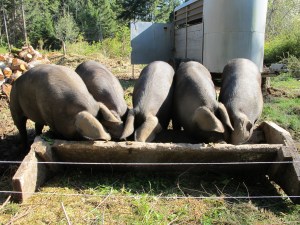
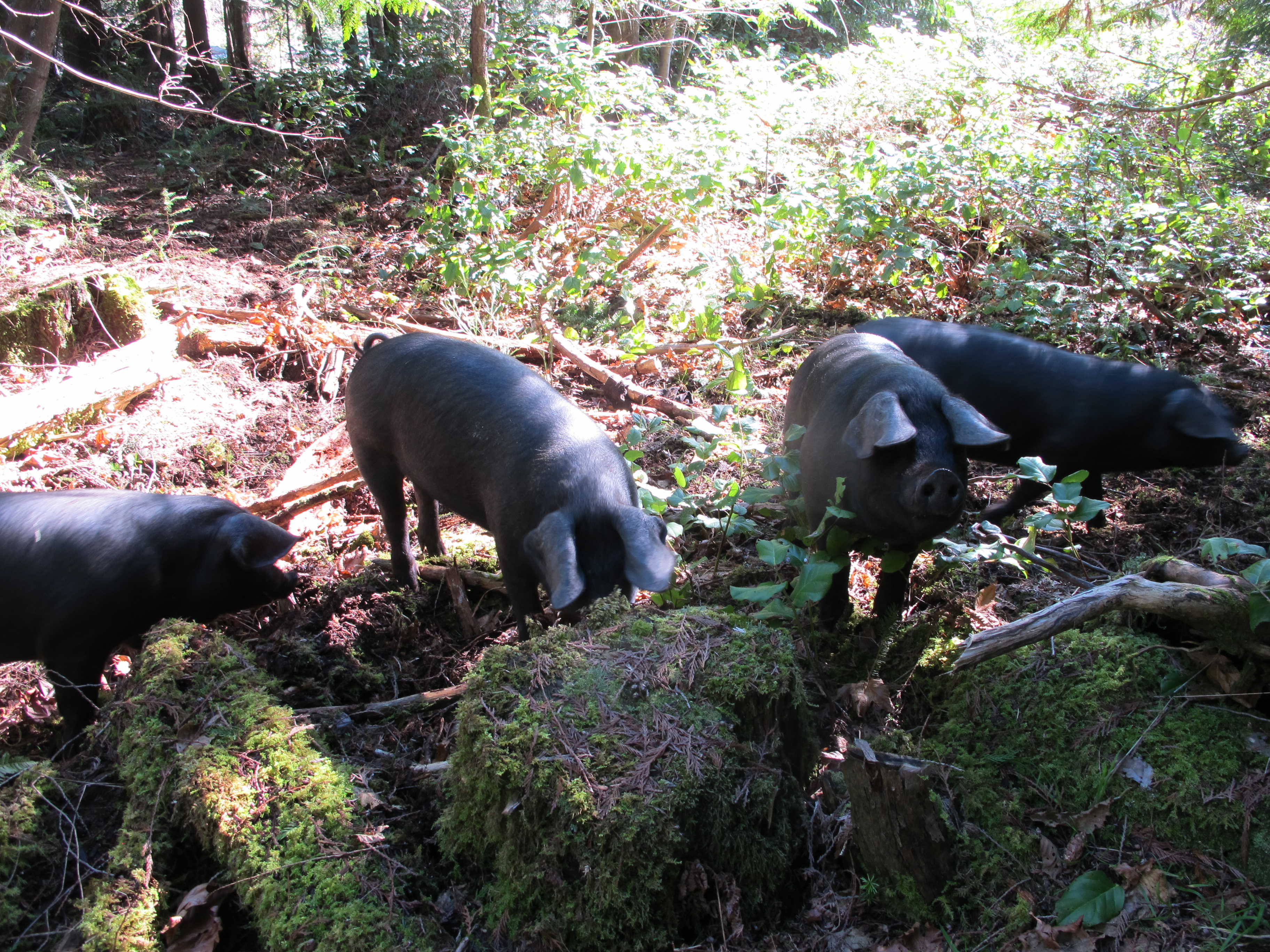
The pigs loved destroying stumps and logs in a forest run, and then basking in the sun for a few weeks on the freshly cleared field area. They grew very fast this past month, weighing in well over 200lbs by the beginning of May. We have very much enjoyed their antics and personalities (have a look at our instagram feed or facebook page for a fun video of the ridiculous “Messy Pig”), and were sad to say goodbye when we took them on their final journey to Gunters this past week. Luckily, our (awesomely free!) trailer waited until after we dropped of the pigs to spring a leak in one of its tires. We are missing our pig ladies, but looking forward to trying our first pork in two weeks. IMG_8550 IMG_8608

The pigs in their forest run (left) and on the 2016 field (right). Proving they can (just barely) all still eat out of one trough at 200lbs each.

House and Cabin

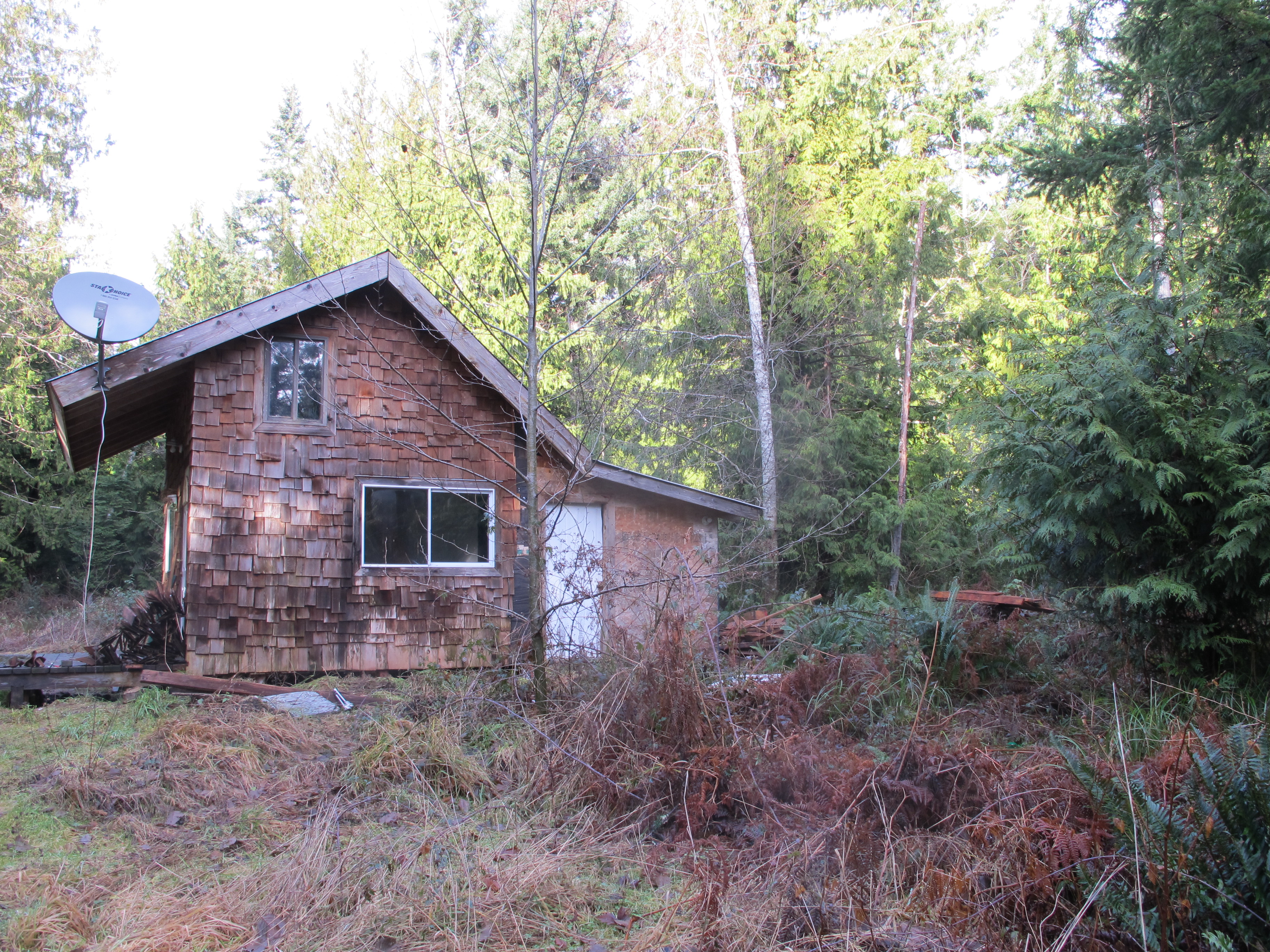
The cabin is finished, the house coming along. The cabin had a leaky lean-to taken off the back and the back wall shingled, roof and wall leaks sealed up, new appliances, faucet and woodstove installed, new composting toilet built, a deep clean out and in, and a lick of paint. She’s a much cheerier place. Our tenant moved in mid-April and we’re enjoying our new neighbour. The house windows were delivered this week, so we’re now close to having the north section of the house ready to be insulated and sealed up again. Our bedroom is in the north section, so we’re currently sleeping in our dining room while the renos are happening – the race is on to see whether we’re back in our room before baby arrives! IMG_8572     IMG_8531

The cabin, ready for its new occupant (left). The north side of the house, waiting for windows (right).

Experimental Garden 2015

Back in February, we ordered the seed for this year’s experimental garden. We are trying several types of many different vegetables to see what grows well and what tastes delicious. Not having a greenhouse yet, and already feeling very behind, in early April we started some plants for our experimental 2015 garden up in a spare bedroom. We used soil blocks to start our seedlings, and while they take a bit more time to make than filling plug trays, we have  once again been very impressed by the germination rates, root formation and transplant success we’ve seen so far.  We’re going to have to decide whether the extra time it takes to make them is worth it for future years; this year, having more time than money, saving on trays makes sense. The bedroom-greenhouse worked less well; while the plants seemed to enjoy germinating up there, they were less keen once they started growing. We had been hoping that the south facing windows and skylight would be light enough, at least until the greenhouse steel arrived; our very leggy seedlings told us it was not. Happily, we now have greenhouses, so won’t have to start things indoors next year. IMG_8557

Looking in on our seedlings in the house. As many as we could fit were moved to the dining room window to try and slow down the leggy-ness.

Greenhouses

Thanks to help from our local building supply centre, we finally figured out how to get the 21′ lengths of greenhouse steel to the farm without breaking the bank. So last weekend, we borrowed a bender and put up two 50′ greenhouses using the pattern and bender from Johnny’s. We’re pretty happy with the results. We spaced the arches 4′ apart – close – so that our greenhouses can stand up to some snow load, meaning we can leave the plastic on and hopefully grow some tasty veg through the winter. We moved all our leggy seedlings out of the house and into the greenhouse, careful to watch the temperature so we didn’t shock them too much. Unfortunately, we didn’t think about sun… and much like us turning red on the first sunny spring day, our seedlings got a bit scorched – and stressed. A lesson learned that cost us about half our tomatoes and herbs, almost all of our peppers, eggplants, cucumbers, onions and leeks, some cabbages, and a handful of the squash, brassicas, lettuces, celery, chard and beets. A frustrating start. But, things are looking up: after a week of watching things die, the plants that remain have started to grow some true leaves, and we’ve got several flats of newly seeded tomatoes, peppers, eggplants and cucumbers germinating on a heat mat to hopefully make up some losses. So, we will have veggies – though no one will accuse them of being early. Which may be just as well, as we are still waiting for the walk-behind tractor we ordered to ship…. In the meantime, we’re starting to ask around to see if we can book some time with a neighbour’s tractor.

IMG_8620

Sam staking out the locations of the greenhouse posts. Photos of the erected steel frames and finished greenhouses can be seen in our instagram feed on the right.

On the To Do list for this month: building some chicken infrastructure and ordering some chicks, welcoming three new pigs (we’re trying a few Denman pigs, after a Berkshire supplier fell through), setting up our 2015 garden and getting the seedlings into the ground, direct seeding some beets, carrots, greens and beans, and welcoming a new member to the Two Roads team. Phew!

We’ve landed… on Denman Island!

Two roads diverged in a yellow wood… and we have taken the one that leads to a small island in British Columbia. But more on that in a minute. First, we should tell you about our summer interlude in Pemberton.

Another Season in Fantastic Pemberton

Emily’s data collection complete (219 surveys and a pile of interviews and focus groups with producers and other people involved with the Costa Rican and Mexican dairy sectors), we arrived back from Latin America at the end of May. We decided to settle back in Pemberton for the summer where Sam could pick up some farm work while Emily started processing the data, and the search for land could begin in earnest. After a fantastic reunion with friends and our furbeast Hunter, we settled in at Plenty Wild Farms, a business new to Pemberton. Sam (and Hunter) worked a couple of days a week for rent, as well as back and Rootdown Organic Farm where we did our apprenticeship, and on a couple of other farms in the valley. It turned out to be an ideal arrangement. David and Alyssa are inspiring in their vision and dedication to building their new business, and we learned a heap working with them. In particular, we were inspired by their intensive small-scale veggie growing system, adapted from Jean-Martin Fortier’s The Market Gardener. Having seen both a walk-behind and a compact tractor in action, we’ve decided on a BCS walk-behind tractor for the scale and type of veggie growing we’re planning, as it allows for very efficient use of space, facilitates succession planting, and fits tidily in the confined space of a greenhouse. The lower price tag compared to a more conventional tractor also means we’ll be able to afford more implements up front. Eventually, a larger (probably second hand) “workhorse” tractor will likely be purchased to help us with heavy lifting and hauling jobs, but we’re hoping we can trade with neighbours for tractor help with the odd big job in the first few years.

IMG_8353 IMG_8366

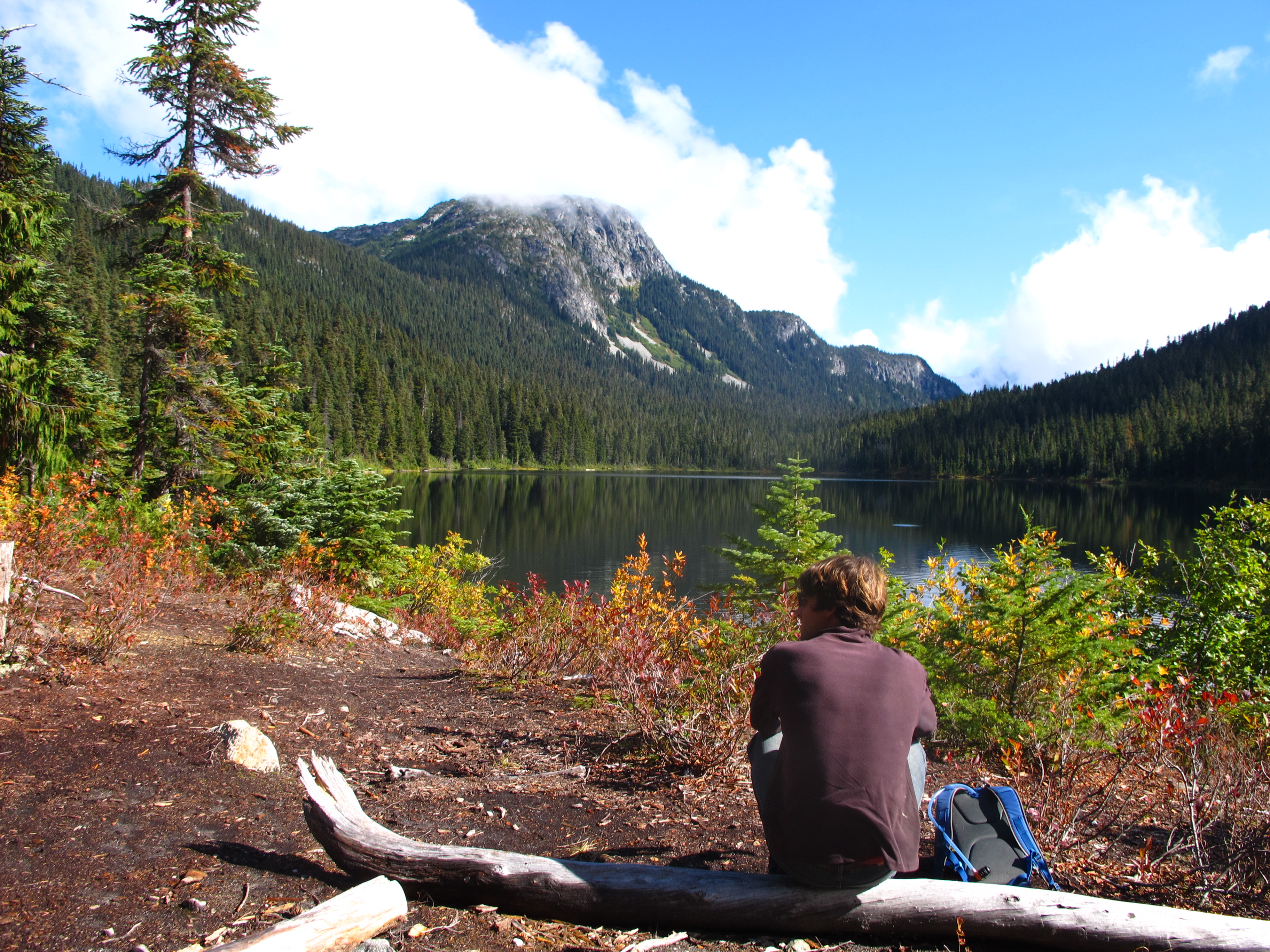
Walking in the field behind Plenty Wild.                    Walking in Joffre Lakes Provincial Park.

Finding a (Proto) Farm

While on a trip to look at properties in the Comox Valley, our real estate agent convinced us to look at 10 acres on Denman Island, a Northern Gulf Island just south of Courtenay, that really wasn’t on our radar. While this property is ALR, it hasn’t been farmed in about 50 years, has more than a few trees, is separated from Vancouver Island (and most markets) by a ferry, and the house needs more than a little bit of work to prevent it reverting to rainforest. But we decided to have a look anyway, and what we saw, coupled with a very attractive price tag, got our imaginations turning. We started looking into land clearing options and imagining all the things we could do with the trees that would come out of future fields – re-siding the house, building a barn… And we started thinking about the possibility of forest-reared pigs and agroforestry systems. Some other pluses: the place has surface water, is a 5 minute walk to the village, has good, uncompacted soil, a rental cabin to help with the mortgage, and lots of bedrooms and bathrooms to welcome visiting family and friends.

It seems that Sam and I both have healthy imaginations and a weak spot for projects. And so, in the fall, we made an offer that was accepted, and on November 1st, said a sad goodbye to Pemberton and moved to what we are calling our proto farm.

hunter1 IMG_8453

Fetching sticks in the ocean off Denman.                Looking down our new driveway.

Let the Projects Begin!

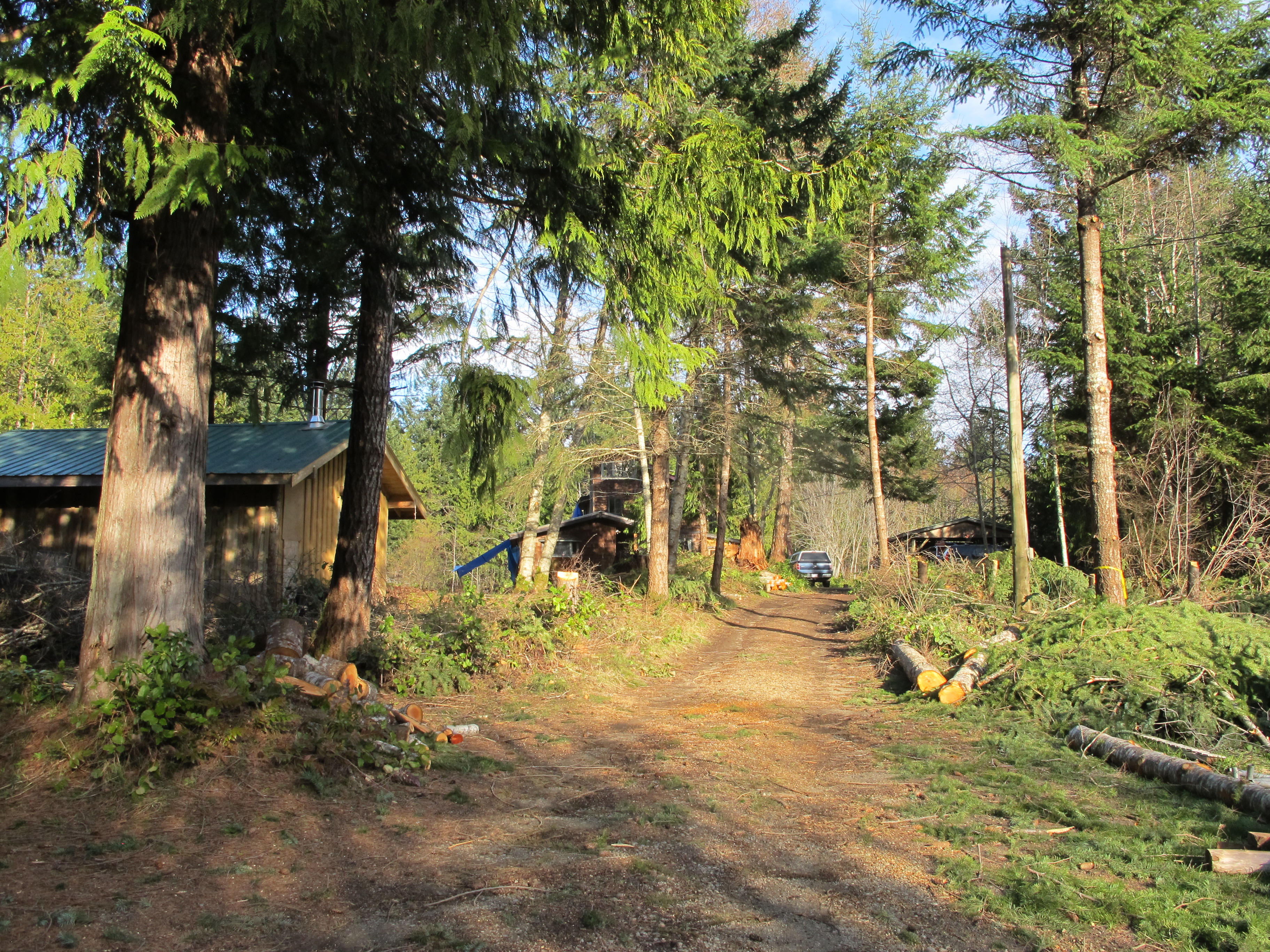
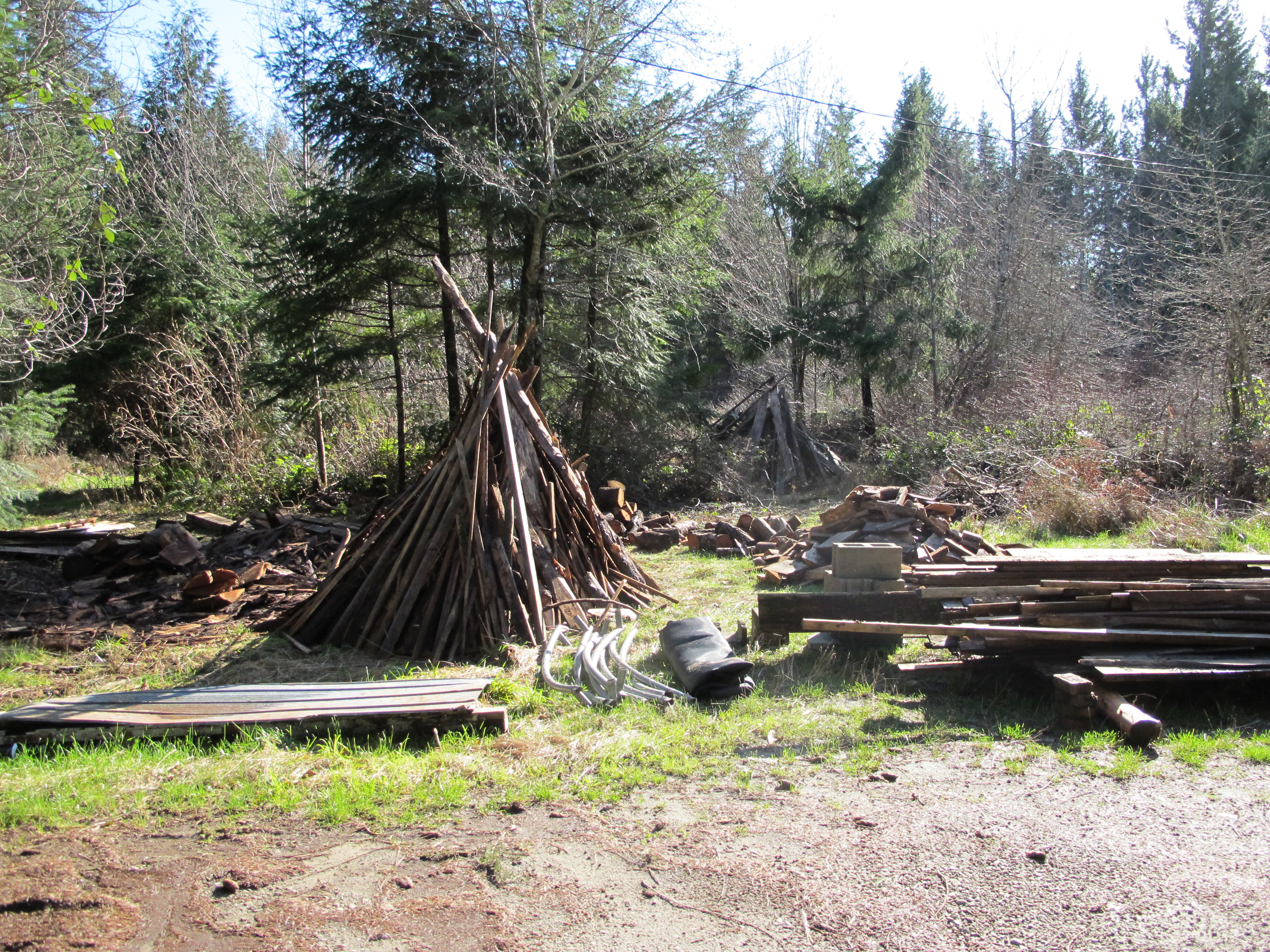
Since we moved, we’ve been working on this:

IMG_8423 IMG_8443

Clearing garbage and old wood out of the bush. Bush finds include metal bowls, a trampoline, and a fishing net.

And this:

IMG_8410 IMG_8474

We got 5 pigs. We’re experimenting with winter pig rearing, and a breed that’s new to us – Large Blacks. These ladies have great personalities and we’re loving them!

And this:

IMG_8438 IMG_8464

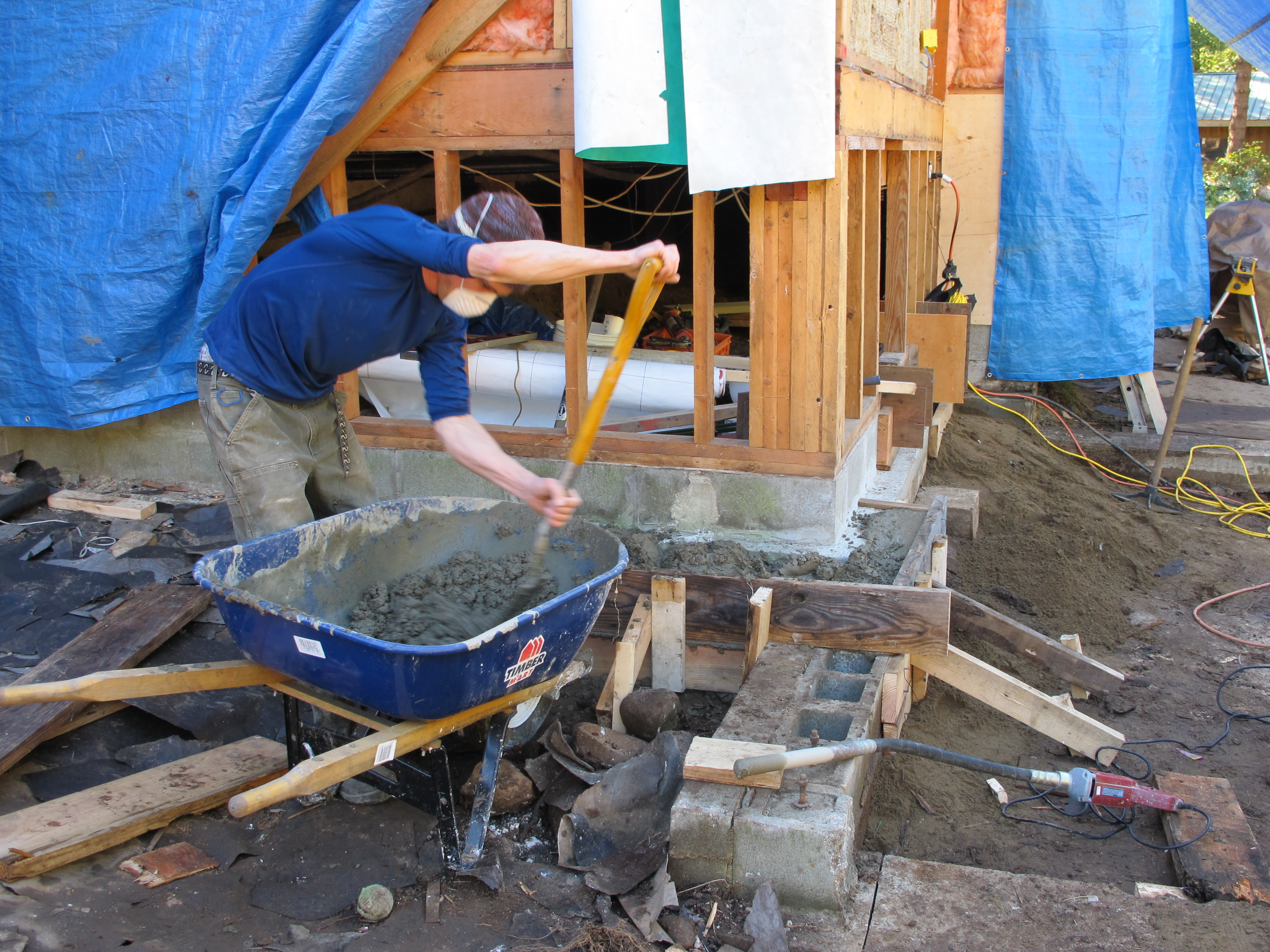
Renovating the house – it needs a new exterior to get rid of rot and prevent further damage.

And this:

IMG_8451 IMG_8457

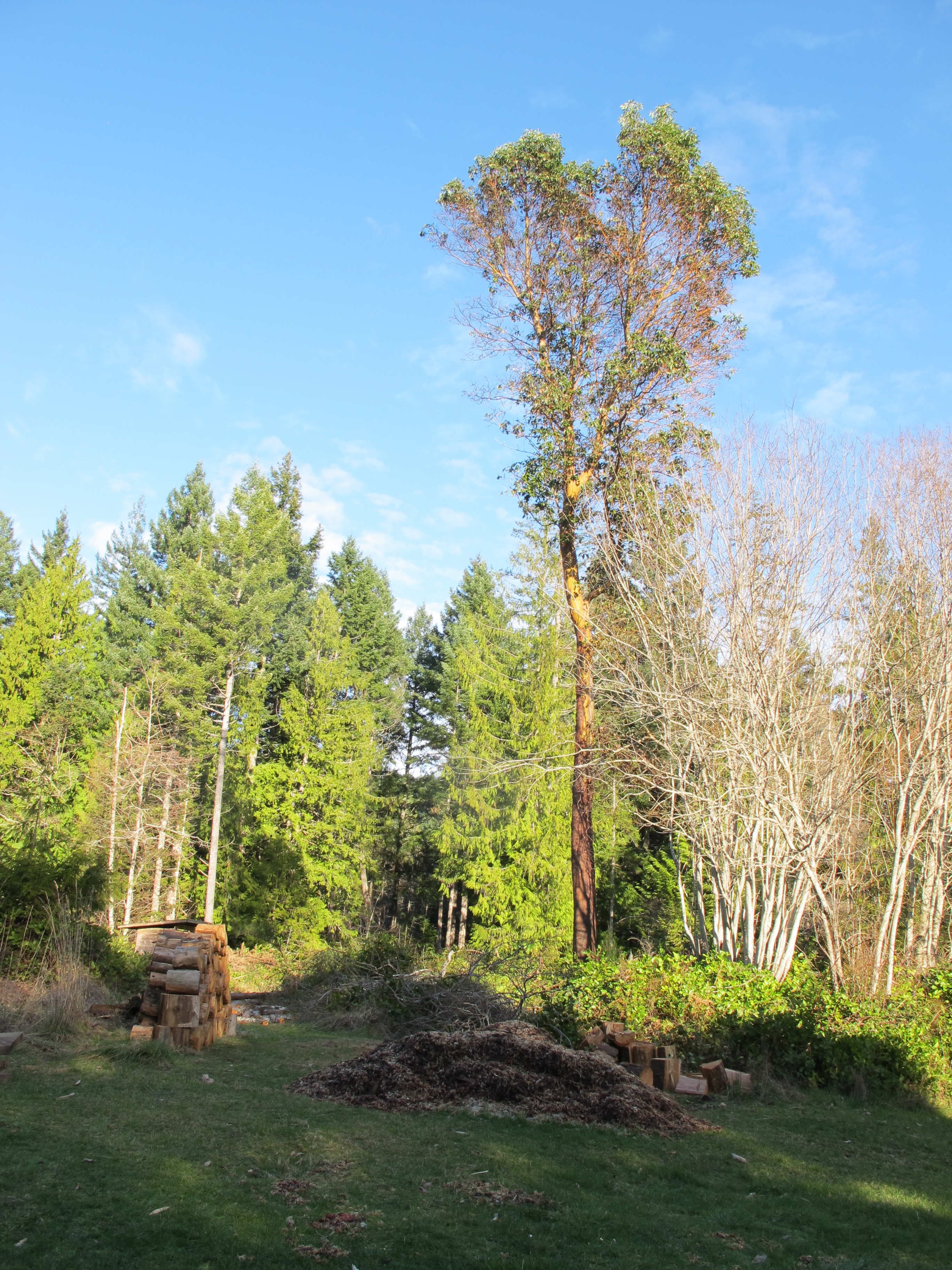
Taking down trees. Friend Ian came over for a therapeutic chainsaw break over reading week – it’s amazing how much more light we’re already getting in. And, a pile of firewood to keep us warm next winter.

And this:

IMG_8429

Repairing the rental cabin to make it cheerier and more functional and weather tight. It should be ready to rent again April 1st. Any takers?!?

And this:

IMG_8436

Our solution to our mouse problem: meet Merlin, a two year old SPCA kitty with lots of personality… he and Hunter are already good friends (except when Merlin tries to steal Hunter’s bed after 7pm).

Our seed order and greenhouse plastic have arrived, we’ve got a compost heap underway, and we’ve been speaking to a Man with a Machine about helping us take out some stumps. We’ve newly registered Two Roads Farm as a business, and new logo, updated website and social media presence coming soon. Lots going on – stay tuned!

Soil matters

A while ago, I touched on the topic of compost.  This is something very close to our hearts, and indeed soil nutrition is absolutely paramount to anyone wanting to produce anything from their land.  In short, you get out what you put in.

I grew up with a father who, while not completely obsessed with his compost heap, was borderline.  I have therefore a moderate level of knowledge of the art of controlled decomposition.  Recent work down here in Costa Rica has given me a few new tricks to add to the repertoire.

Once several cubic yards of material is collected, the process starts by making a soupy mash of yucca (a starchy vegetable) and rice, which is left to ferment under the forest canopy for several days.  When ready, this now frothy soup has been colonized by a variety of decomposer organisms native to the area, and is a powerful inoculant for the compost heap, to kick-start decomposition.

In the shade, a pile is built up of alternating layers of coarse material, green material and fresh manure, followed by a liberal sprinkling of inoculant and molasses diluted 5 to 1 with water.  Repeat this lasagna until all your material is used up.  Cover this heap with plastic, and leave for a week.  Turn the heap, mix and repeat.   Within 3 days the temperature at the core of the heap was 70oC, and within 2 months the heap was finished.

Over the last few years Em and I have had the opportunity to meet and learn from a number of farmers who have been working organically for years, and have managed to actively increase the fertility, productivity and health of their soil.

John Wilcox, the late owner of Duck Creek where we were married, was one such farmer.  John’s formal soil science training at Guelph University provided him with the knowledge to turn a worn out, overgrazed valley bottom into a highly productive little farm.  Similarly, Doug and Jeanette Helmer and family now grow some of the best potatoes (certainly that I’ve eaten) in Pemberton on organically and biodynamically managed land.  Key to both of these farm successes has been cover cropping and practices designed to avoid compaction, structural damage and actively build soil by the continual addition of organic matter.

With our plan to grow intensive vegetables, quite a bit of tilling is inevitable to prepare a seedbed in which we can realistically expect things to grow.  The key is performing this tillage in a sustainable manner for longterm productivity.  Our plan is deep tillage with a spader (one of the most Heath-Robinson farm inventions I’ve ever seen) or chisel plough to avoid bringing subsoil to the surface, and avoid forming a plough pan (a hard, smeared layer of soil at the bottom of the furrow that over time becomes impenetrable to water and roots).  A cover crop such as peas, oats, mustard or warm season grasses like sorghum-Sudangrass is then sown.  The crop is mown and tilled into the soil while still alive, adding nutrients and structure to the soil.

If we manage our cover cropping/ green manure program well, we can tap into a huge resource of macronutrients.  In the atmospheric column above 1ha of land, there is 78,000 tonnes of nitrogen for the taking.  The challenge, as Mr Haber found out, is extracting that and getting it into a form available to plants.  The synthesized method of nitrogen fixation is hugely energy intensive, yet leguminous plants carry this out for us, virtually for free.  Cover crops also act as a “catch crop”, locking up any soil amendments like manure or compost over the winter, preventing them leaching out of the topsoil.  “Peak phosphorous” is another pressing concern, for many people more so than nitrogen, with levels of use of this macro-element rapidly depleting known reserves.

We are lucky in that we are targeting our land search in areas blessed with both family members and friends, but also top-notch soil.   But farmers in drier and less favourable areas have been using no-till practices for years to improve and protect fragile soils.  Today, cover crops are also finding their place in mainstream agriculture with a hybrid of mulched no-till cropping gaining in popularity.  In this method, a cover crop is grown early in the season and rolled flat.  Into this mat is sown the main crop such as corn, soybeans or cotton.  The mulch mat reduces weed pressure, improves water storage and overall soil structure.  In some cases, farmers have seen a 90% reduction in herbicide use.

Several cousins of mine farm grain and sheep in Western Australia. Over Christmas last year we caught up with the Australian side of the family (and Em got to meet them all at once!), and I was stunned when I found out the current costs associated with their fertilizer inputs.  Granted, they operate on a scale orders of magnitude bigger than our plans, but even with economies of scale, the dollars per acre really start to add up.  We have made the decision that we are not keen on heavy chemical use and reliance, and have been tossing up whether to head in the direction of organic certification.  On one hand it would allow us to command premium prices.  On the other, we would have to deal with a heavy regulatory burden and other costs as well as a prescribed list of products we are allowed to use.  Farming organically without certification means reduced yields without the premium pricing to make up for the shortfall.

In addition, we feel that certified organic has become something of a misnomer in many ways in recent years.  Agribusinesses like a certain large Californian company producing salad greens operate on a huge scale, employing technology extremely effectively, but at the same time with fossil fuel inputs at a level that almost negate the benefits of going organic in the first place.

So, we’ve still a lot to think on, but we’re getting there, in this area at least if not in others!

Coffee choices

Having written about the coffee growing process and in our last few weeks in the country, here is a very brief précis of the coffee industry beyond growing the bean.  There are 3 main varieties of coffee grown today, for different markets and end uses.  These are Arabica (the most well known), robusta and liberica.  Arabica is the bean you are most likely to find in your cup of espresso, while robusta and liberica are primarily used in blends and instant coffee products.

As with most food crops today, you can choose from conventionally grown, using synthetic fertilizer, herbicides and pesticides, or organic coffees.  What you choose to drink is a personal choice based on factors including cost and environmental attitudes.  Anecdotally though, from sampling soil in the different plantations, and seeing the practices involved in growing by each method first hand, I lean heavily towards supporting organically grown coffee.   The soil structure and nutrition was better, soil microbiology and insect life was richer, and moisture holding capacity higher.  Yields were somewhat reduced though, due to increased resource competition with other plants.  Plus, there’s an awful lot of extra mowing to be done, using either fossil fuel or hand labour.

The choice between the 2 growing methods however is largely dependent on where your coffee is from.  Coffee rust is a fungal pest that is devastating coffee crops throughout Central America.  In El Salvador for example, 74% of coffee plantations are currently infected.    As the plague has spread throughout the Americas, and in regions where the soil and rainfall conditions favour the rust, chemical control is becoming increasingly necessary at least in the short term as the sole means to keep plantations alive and to have a chance of maintaining yields.  The choice between organic or conventional seems somewhat redundant when some regions are looking at very serious social and economic problems as a direct result of this disease.

In Costa Rica, growers either own a processing (milling) facility, usually as a cooperative like Coopedota, or sell directly to a milling company. Milling companies and cooperatives then sell the processed (died, roasted, bagged) coffee to further processors and vendors like Nescafé and Starbucks, sometimes through a wholesaler.

Coffee production is regulated by a whole swath of different certifications, including Rainforest Alliance, Fairtrade, and Starbucks own certification, which regulate how coffee is grown, and the conditions that producers work under – and can be both a help and a hindrance to producers.

In short, it is a hugely complicated industry with many different ways for coffee to travel from producers to consumers – with some channels benefiting producers and their local environment more than others.

Work is underway and ongoing to improve the working conditions of those in the plantations and the profitability of the crop for growers.  CIMS is a non-profit organization working in Central America with large companies like Nescafé and NGO’s like iCafe to change their practices to improve conditions for the producers who supply them.